🌊 Wetland Rehabilitation
Hydrological restoration, invasive species removal, native aquatic planting to revive degraded water systems.
Certified soil remediation, wetland rehabilitation and sustainable land transformation for a healthier planet. Serving residential, commercial, and municipal projects across Central Alabama.
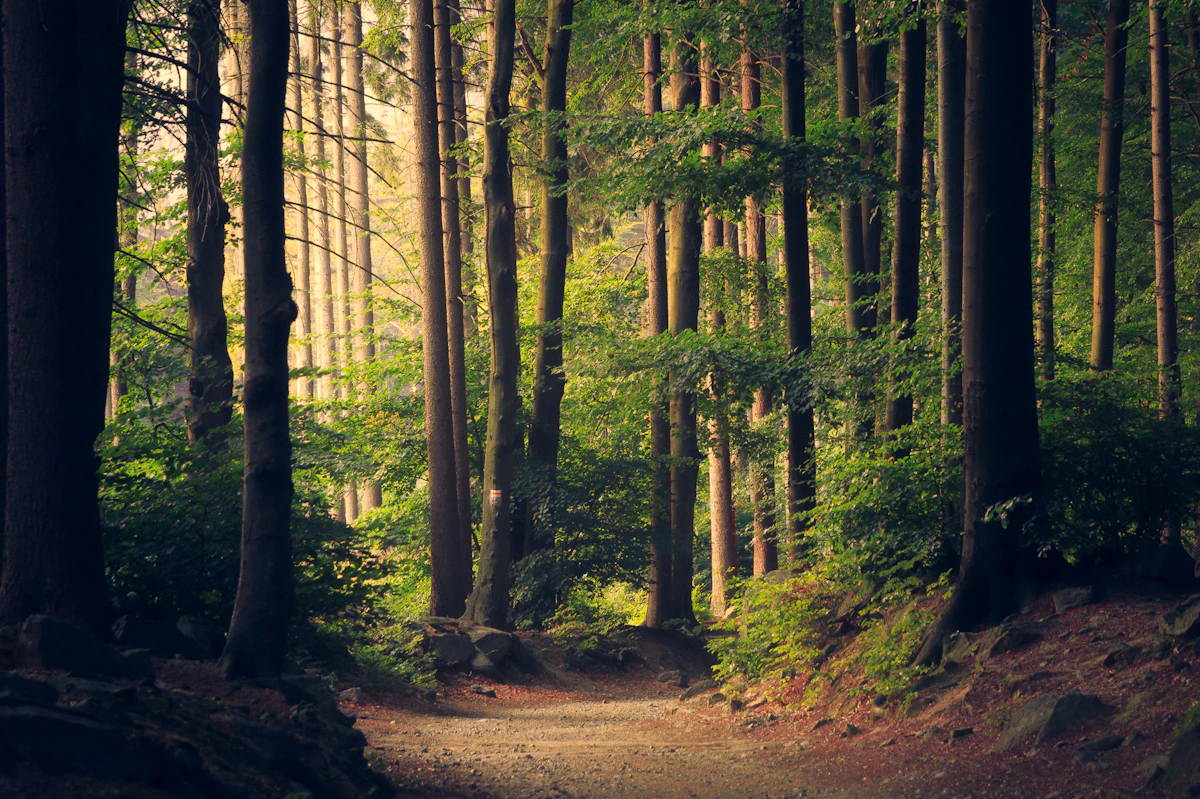
Specialized environmental restoration tailored to soil conditions, regulatory requirements and long‑term ecological health.
Eden Land Reclamation provides complete land restoration services including wetland rehabilitation, soil remediation, erosion control, native revegetation, land grading, invasive species control, and forestry mulching throughout Central Alabama.
Hydrological restoration, invasive species removal, native aquatic planting to revive degraded water systems.
EPA‑approved contamination treatment, heavy metal stabilization and bioremediation for safe land reuse.
Strategic grading, silt fencing and vegetative stabilization to prevent topsoil loss and protect watersheds.
Region‑specific seed blending, mulch application and long‑term ecological monitoring for sustainable land recovery.
Precision contour grading, cut/fill balance and subgrade stabilization for sustainable development or agricultural reuse.
Targeted mechanical & biological removal of non‑native flora followed by strategic replanting to restore ecological balance.
Learn the standard industrial methods for turning overgrown brush and complex forestry systems into usable, productive acreage using advanced skid steer configurations.
Before‑and‑after transformations across residential, commercial and municipal landscapes.


"Eden completely transformed our degraded backyard wetland. The ecological balance returned within the year. Highly professional and eco‑conscious team."
"Passed inspections on the first attempt. Their soil remediation methodology saved us months of delay and thousands in remediation costs."
Residential projects typically complete in 2–6 weeks. Larger wetland or commercial rehabilitation projects may take 3–12 months with phased ecological monitoring.
Yes. We use EPA‑approved remediation techniques, native plant restoration and soil bioaugmentation to ensure sites are safe for development, agriculture or natural habitat.
Absolutely. We specialize in residential land rehabilitation, backyard wetland restoration, erosion repair, and sustainable grading for homeowners seeking eco‑friendly property transformation.
We provide detailed, no‑obligation site assessments. Costs vary based on soil conditions, project scale, and regulatory requirements. We offer transparent pricing with phased payment options.
Yes. We manage all required local, state, and federal permits (including EPA, USACE, and DEQ approvals) to ensure your project stays compliant from start to finish.
Native grasses and groundcovers typically establish within 6–12 months. Mature shrub and tree canopies reach full ecological function in 2–4 years. We provide long‑term monitoring reports.
Absolutely. We maintain a rapid‑response team for post‑storm sediment control, gully repair, and temporary stabilization to prevent further environmental damage.
Our team holds EPA, USACE, and state‑level environmental remediation licenses. We are certified in stormwater management, native plant installation, and sustainable site development.
Yes. We rehabilitate compacted soils, degraded pasturelands, and industrial brownfields using precision grading, organic soil amendment, and targeted phytoremediation.
Professional techniques using forestry mulching, brush hogging and swing boom cutters for effective, eco‑friendly land clearing and reclamation.
| Method | Best For | Cutting Capacity | Key Benefit |
|---|---|---|---|
| Forestry Mulching | Dense brush & saplings | Up to 6‑8" | Soil enrichment, erosion control, single‑pass efficiency |
| Brush Hogging | Pastures & lighter vegetation | 1‑4" | Cost‑effective maintenance & field finishing |
| Swing Boom Cutter | Banks, fences, trails, ditches | 3‑4" | Extended reach & precision in difficult areas |
Fill out the form below for a free preliminary evaluation. We respond within 24 business hours. Serving Central Alabama and surrounding areas.